

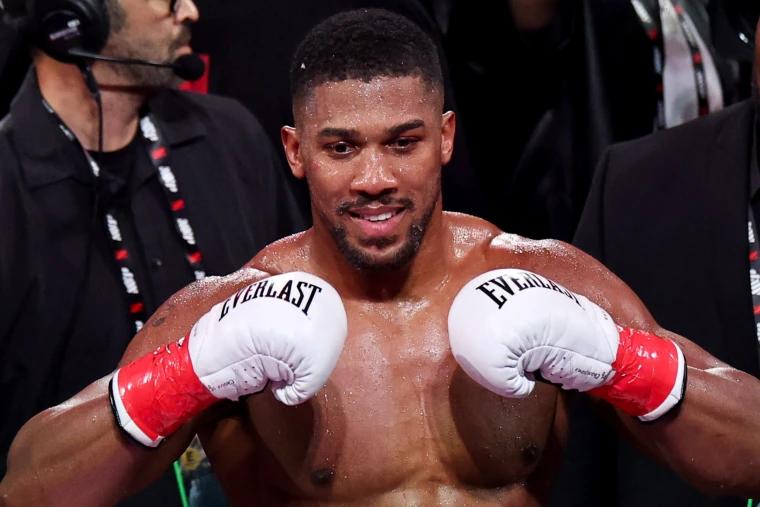
Beyond Blame: Who Is Checking on Anthony Joshua?
In the aftermath of the tragic road traffic accident involving Anthony Joshua, public discourse has moved quickly, perhaps too quickly towards blame. Some have pointed to Nigeria’s longstanding challenges: poor road infrastructure, delayed emergency response, and systemic inefficiencies. Others argue the focus should be on driver behavior, speed, a burst tyre, or possible substance use. Each side present arguments that may, in time, be addressed through proper investigation.
But amid the noise, one critical issue is being overlooked:
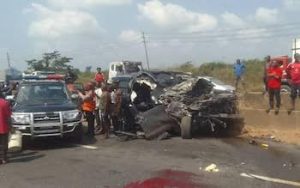
“Who is checking on the man who survived?”
Anthony Joshua lost two people who were not just companions on a journey, but central figures in his professional and personal life, his friends, the trainer and his coach. These were individuals who shared his daily routines, carried his ambitions, and stood beside him in moments of triumph and struggle.
Surviving such an accident is not the end of trauma. For many, it is the beginning.


The Hidden Cost of Survival
As a Psychiatrist, I have worked with survivors of fatal accidents for decades. One of the most common and least discussed consequences is survivor’s guilt, a profound psychological burden marked by questions such as:
Why did I live?
Could I have done something differently?
Do I deserve to move on?
This guilt often coexists with grief, shock, anger, confusion, post traumatic stress disorder, PTSD and deep sadness. For public figures, it is further complicated by constant scrutiny. Every silence is analysed. Every public appearance dissected. Grief becomes a spectacle rather than a process.
Strength, in such moments, is often mistaken for immunity. But strength does not protect the mind from trauma.

This Is Not a Binary Conversation
Yes, Nigeria must continue to examine and reform its road safety systems, emergency response protocols, and accountability structures. These conversations are necessary and overdue, but this tragedy cannot be reduced to a political argument or an online blame contest. Two lives were lost. Two men survived and Anthony Joshua is one of them. Both realities demand compassion.
When public debate ignores the psychological aftermath for survivors, it reinforces a dangerous narrative: that survival means coping alone.
What Healing Requires
Healing after trauma is not automatic. It requires:
• Time away from performance and expectation
• Access to professional psychological care
• Space to grieve without timelines
• Privacy without isolation
Well-meaning messages and public sympathy are not substitutes for structured mental-health support.
A Call to the Public and Policymakers
To the public: this is not the moment for speculation or sensationalism. Empathy must come before opinion.
To policymakers: post-incident mental-health care should be embedded into emergency and accident response systems. Trauma does not end at the crash site. Survivors carry invisible wounds long after investigations conclude.
Why This Conversation Matters
If a world-renowned athlete can endure such loss under the glare of public attention, what happens to the countless survivors who suffer in silence without visibility, influence, or resources?
This incident is not just about an accident.
It is about how we respond to trauma.
It is about whether survival is met with support or silence.
Above all, this is a reminder that mental health must remain central in our national
conversations, not peripheral.
Dr. Maymunah Kadiri is the MD/CEO of Pinnacle Medical Services, Author of Deep Expression and Convener, The Mental Health Conference. She is Africa’s leading voice for mental health in normalizing mental health conversations. Follow her on Twitter and Instagram @iamdrmay
Leave a Comment