

Helping Children Cope with Grief: A Guide for Parents and Caregivers
I remember a little boy who lost his father at a young age. He would often ask his mother why his father wasn’t coming back, and she would struggle to find the right words to explain the situation. As time went on, the little boy began to act out, becoming increasingly aggressive and withdrawn. His mother was worried about him, but she didn’t know how to help him cope with his grief.
Understanding Grief in Children
Grief is a natural response to loss, and children are no exception. When a child experiences the loss of a loved one, it can be a devastating experience that affects their emotional and psychological well-being. Children may not have the same understanding of death as adults, and they may struggle to process their emotions.
The Importance of Validation
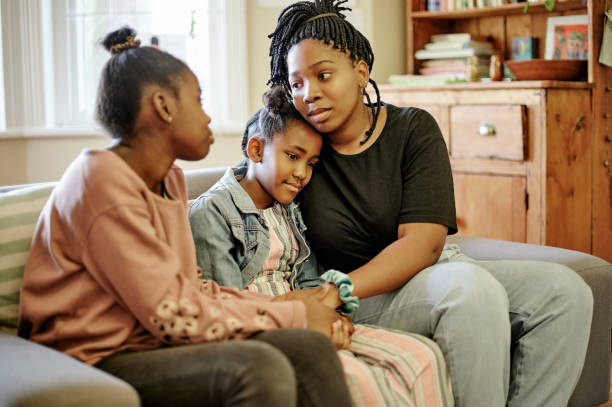
One of the most important things you can do to help a child cope with grief is to validate their feelings. This means acknowledging their emotions and letting them know that it’s okay to feel sad, angry, or scared. Validation is key to helping children process their grief and begin the healing process.
Other Ways to Help Children Cope with Grief
In addition to validation, there are several other ways to help children cope with grief:
1. Provide a supportive environment: Create a safe and supportive environment where the child feels comfortable expressing their emotions.
2. Encourage communication: Encourage the child to talk about their feelings and listen to what they have to say.
3. Maintain routines: Stick to familiar routines and traditions to provide a sense of stability and normalcy.
4. Seek professional help: If the child is struggling to cope with their grief, consider seeking professional help from a therapist or counselor.
The Mental Health Implications of Grief
Grief can have a significant impact on a child’s mental health, including:
1. Anxiety and depression: Children who experience grief may be at a higher risk of developing anxiety and depression.
2. Trauma: Grief can be a traumatic experience for children, and it may affect their ability to cope with stress and adversity.
3. Attachment issues: Children who experience grief may struggle with attachment issues, which can affect their relationships with others.
Conclusion
Helping children cope with grief requires patience, understanding, and support. By validating their feelings, providing a supportive environment, and seeking professional help when needed, you can help a child navigate the complex and often difficult process of grief.
Leave a Comment