

5 Things We Learned from Dr. May At The Mental Health Conference 3.0
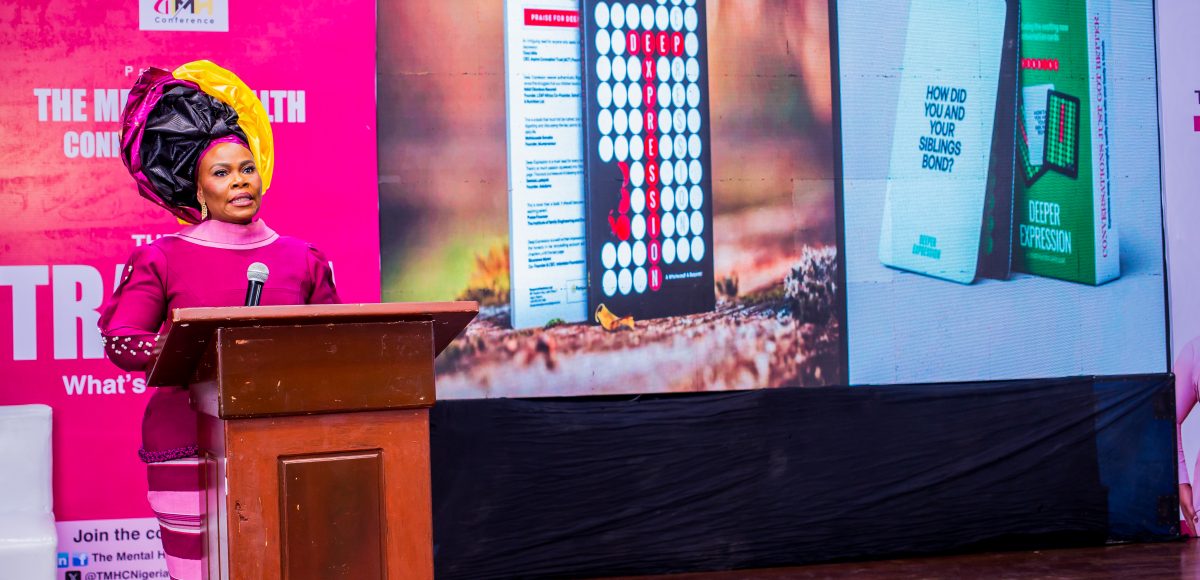
When Dr. Maymunah Kadiri spoke at The Mental Health Conference, the energy in the room shifted. It wasn’t the usual keynote cadence—it was a quiet reckoning. She spoke not from a pedestal, but from a place of deep knowing, reminding everyone that healing isn’t an endpoint but a lifelong conversation between pain and purpose.
Her words carried both weight and warmth, holding space for those who are still trying to find themselves after the breaking. Here are five profound lessons she left us with—truths that don’t just teach but touch.
1. Trauma doesn’t end when the event does.
“Trauma is not just what happened to you, it is what keeps on happening inside you, long after the world thinks you should be fine.”
Dr. May’s words reframed how we see recovery—not as the absence of pain but as awareness of what still lingers. Many of us move through life performing okay-ness, even as our bodies and minds hold memories that haven’t yet found peace. Healing begins when we stop asking “Why am I not over it?” and start asking “What still needs my care?”
2. Pain can look polished.
“Some of us walk around like shattered glass—glittering on the outside but bleeding silently within.”
In a world obsessed with appearances, Dr. May reminds us that struggle often hides behind smiles. The most radiant people in the room may also be the most fragile. True empathy, she suggests, begins when we stop mistaking composure for wholeness. Healing starts with honesty—with ourselves and others—about where it still hurts.
Read Also: When Healing Took the Stage: TMHC 3.0 Sparks Conversations on Trauma, Workplace Mental Health
3. You are not broken, you are becoming.
“You are not broken, you are becoming. Your story may be stained but not spoilt.”
There’s something liberating about that truth. Dr. May redefines imperfection as evolution. The stains of our past are not shame marks—they’re brushstrokes on the canvas of who we’re becoming. Each scar, each setback, each story told out loud moves us closer to self-compassion, which is the most radical form of healing there is.
4. Your voice is your reclamation.
“Every time you tell your story, you take the pen back from the pain and begin to write your future.”
Dr. May believes storytelling isn’t just cathartic—it’s corrective. By naming what hurt us, we rewrite its hold. Our silence often protects our pain more than it protects us. Every time we speak, share, or write, we reclaim authorship. Healing, then, becomes an act of authorship—a declaration that our pain will not narrate our lives anymore.
5. Healing is not linear—it’s spiral.
“Healing is not linear; it is spiral. You will revisit the same places, but each time, you will rise a little higher.”
The journey to wholeness isn’t a straight road; it’s a series of circles that expand with each return. The triggers, the old fears, the memories—they resurface, but so does our resilience.
Dr. May closed with a powerful reminder: the world doesn’t need perfect people, it needs powerful people. Power, in her world, is quiet, grounded, and earned through grace, again and again.
Leave a Comment